Eye Floaters and Flashes: When Should You See an Eye Specialist?
9 November 2026 · 6 min read

Almost everyone notices floaters at some point. They drift across your vision as you look at a bright sky or a white wall, darting away when you try to look directly at them. Most of the time they are harmless and simply a normal part of how the eye ages. Occasionally, though, floaters and flashes of light are the first sign of something more serious that needs prompt attention.
This guide explains what floaters and flashes are, why they happen, which symptoms are reassuring and which are urgent, and what treatment options exist for people whose floaters seriously affect their quality of life.
What Are Eye Floaters?
Floaters are small shadows cast onto the retina by tiny clumps of material inside the vitreous, the clear gel that fills the back of the eye. Because they sit in front of the retina, you do not see the clumps themselves, only the shadows they cast. That is why floaters seem to move when your eye moves and are most visible against plain, bright backgrounds.
People describe floaters in many different ways:
- Small dots or specks
- Thread-like strands or squiggly lines
- Cobwebs or rings
- A translucent cloud or blob
Some floaters are present from a young age, while others appear gradually over time. Short-sighted people often notice them earlier in life.
What Causes Floaters?
Natural ageing of the vitreous
The vitreous gel is firm in childhood but becomes more liquid with age. Its collagen fibres clump together, and these clumps cast the shadows we see as floaters. This process is gradual and usually harmless.
Posterior vitreous detachment
At some point, often between the ages of fifty and seventy, the vitreous shrinks enough to separate from the retina. This is called a posterior vitreous detachment, or PVD. It is a normal event that happens to most people eventually, but it can produce a sudden new floater, sometimes a large ring-shaped one, along with flashes of light.
In most cases a PVD causes no lasting harm. However, in a minority of people, the gel tugs on the retina as it separates and creates a tear. If a tear is not treated, fluid can pass beneath the retina and cause a detachment. This is why any sudden change in floaters needs a proper examination.
Other causes
Less commonly, floaters can be caused by bleeding inside the eye, for example from diabetic retinopathy affecting the eyes, by inflammation known as uveitis, or after eye injury or surgery.
Who is more likely to notice floaters?
Floaters become more common with age, but some people notice them earlier or more intensely. Short-sighted eyes tend to be longer, and the vitreous in these eyes often changes sooner. People who have had cataract surgery sometimes become more aware of floaters simply because their vision is clearer afterwards. Eye injury and inflammation inside the eye can also increase the number of floaters you see.
What Are Flashes?
Flashes, known medically as photopsia, are brief streaks or arcs of light, often seen at the side of your vision. They tend to be more noticeable in the dark or in dim light. Flashes occur when the vitreous gel pulls on the retina, stimulating it mechanically. The retina responds in the only way it can, by sending a signal that the brain interprets as light.
Flashes are different from the shimmering, zigzag patterns that some people experience with migraine. Migraine aura usually affects both eyes, moves across the field of vision over twenty minutes or so, and may be followed by a headache. Flashes from the retina usually affect one eye and are brief, repeated flickers.
When Floaters and Flashes Are an Emergency
It can be difficult to judge whether your symptoms are harmless. As a general rule, you should seek same-day assessment from an optometrist, eye casualty or NHS 111 if you notice:
- A sudden shower of new floaters, especially if they look like soot or many black dots
- New flashes of light in one eye
- A shadow, curtain or veil moving across your vision
- Sudden blurring or loss of vision
- Floaters or flashes after a blow to the eye or head
These can be signs of a retinal tear or detachment. Our article on recognising retinal detachment and its treatment explains why acting quickly matters so much.
What Happens at an Eye Examination?
If you report new floaters or flashes, the eye specialist will usually put dilating drops in your eyes to widen the pupils. This allows a thorough view of the entire retina, including its outer edges where tears most often develop. The drops can make your vision blurry and sensitive to light for several hours, so you should not drive until they wear off.
If the examination shows a PVD without any tear, you will usually be reassured and given advice on which symptoms should prompt you to return. Some people are asked to come back for a second check after a few weeks, because tears can occasionally develop later.
If a retinal tear is found, it can often be treated promptly with laser or cryotherapy to seal it and lower the risk of detachment.
Living With Floaters
For most people, floaters become less noticeable over weeks or months. They do not usually disappear completely, but the brain learns to ignore them, and some of the material settles out of the line of sight.
Practical tips that may help:
- Move your eyes up and down to swirl the gel and shift a floater out of your central vision.
- Wear sunglasses on bright days to reduce the contrast that makes floaters stand out.
- Adjust screen brightness and use darker backgrounds where possible.
- Be patient: the annoyance often reduces significantly with time.
Treatment Options for Troublesome Floaters
Most floaters do not need treatment. However, for a small number of people, dense floaters cause genuine and persistent difficulty with reading, driving or work. In these cases, treatment can be discussed.
Observation
Waiting is often the safest first step. Many floaters improve with time as the brain adapts, and avoiding unnecessary procedures avoids unnecessary risk.
Vitrectomy for floaters
A vitrectomy removes the vitreous gel, and the floaters with it, and replaces it with a clear fluid. It is a highly effective way to clear vision, but because it is a surgical procedure it carries risks, including cataract formation and, rarely, retinal detachment or infection. For this reason it is usually reserved for people whose floaters are severe and long-lasting. Our patient guide to vitrectomy surgery covers the procedure and recovery in detail.
Laser vitreolysis
Some clinics offer a laser treatment designed to break up certain types of floaters. Evidence for its benefit is more limited, and it is suitable only for selected floaters located safely away from the lens and retina. It is important to discuss the potential benefits and risks carefully with a specialist.
Floaters, Distortion and Other Symptoms
Floaters should not be confused with distortion, where straight lines appear bent or wavy, or with a blank spot in the centre of your vision. These symptoms suggest a problem at the macula, such as a macular hole or epiretinal membrane. Our guide to macular hole and epiretinal membrane symptoms and surgery explains these conditions.
In Summary
Floaters are common and usually harmless, particularly those you have had for a long time. Sudden changes are different. A new shower of floaters, flashing lights or a shadow over your vision should always be checked the same day. Prompt examination provides reassurance in most cases and allows early treatment when a retinal tear is found, protecting your sight for the long term.
This article is for general information and does not replace a personal consultation. If you notice sudden changes in your vision, contact your optometrist, an eye casualty department or NHS 111 the same day.
Related Articles

Vitrectomy Surgery: A Complete Patient Guide to the Procedure, Recovery and Results
What happens during a vitrectomy, why it is recommended, and how to prepare for a smooth recovery — explained step by step.
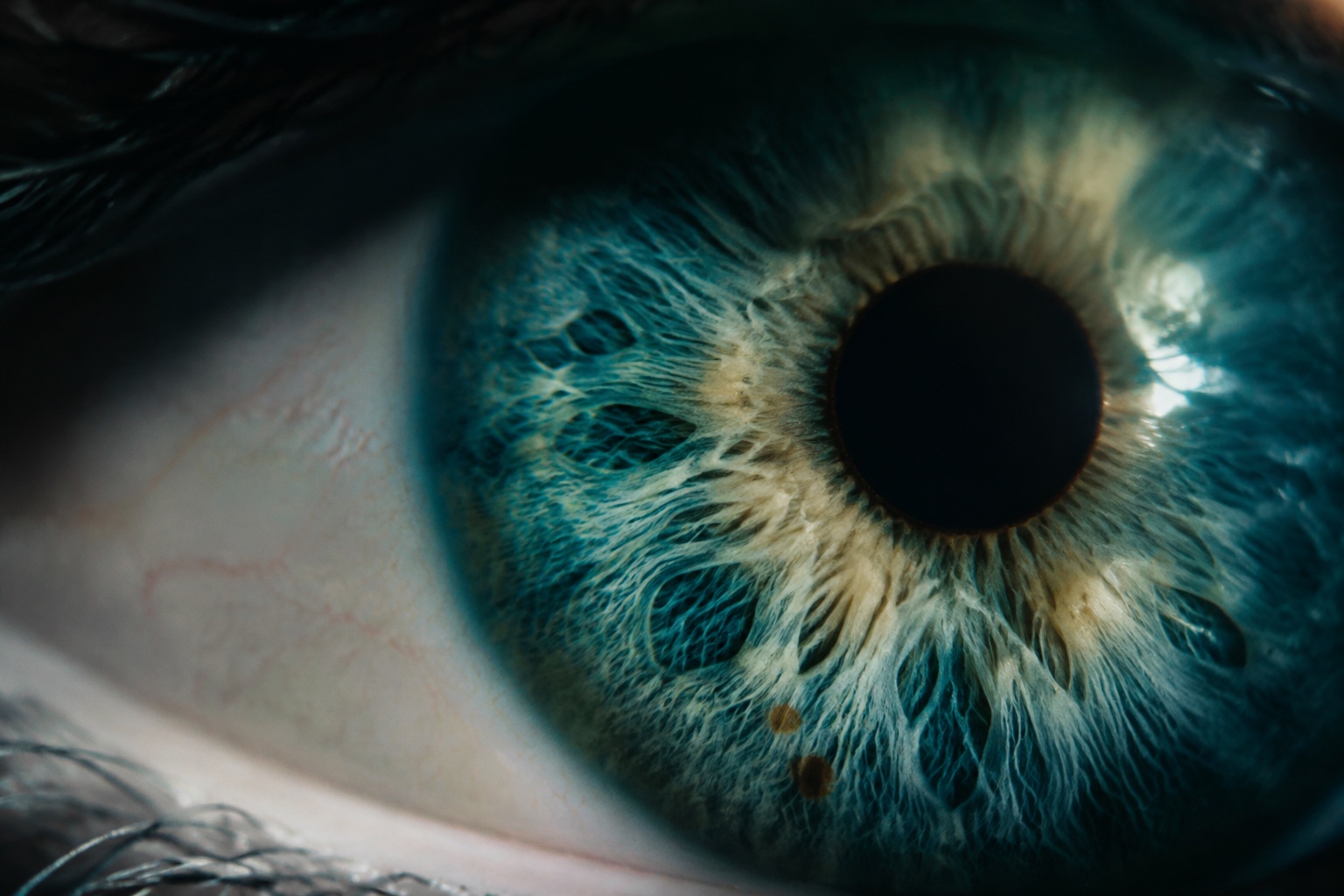
Retinal Detachment: Warning Signs, Causes and Treatment Options
Floaters, flashes and a shadow across your vision can signal an emergency. Learn the signs and why fast treatment matters.
Diabetic Retinopathy: How Diabetes Affects Your Eyes and How to Protect Your Sight
Diabetic eye disease is often silent in its early stages. Discover how screening and modern treatment help protect your vision.
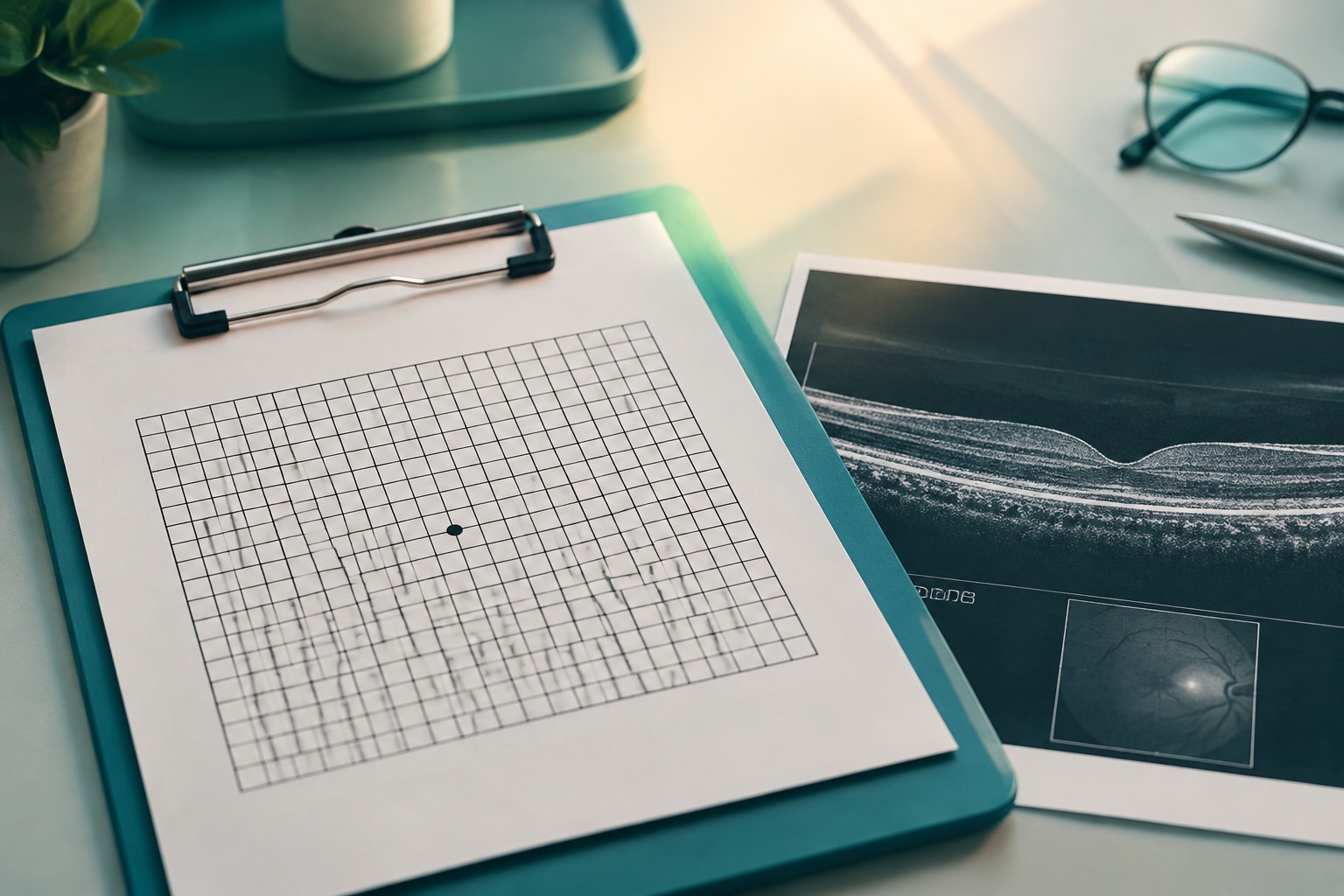
Macular Hole and Epiretinal Membrane: Symptoms, Diagnosis and Surgical Treatment
Wavy lines and blurred central vision can point to a macular hole or membrane. Learn how OCT diagnosis and surgery can help.