Diabetic Retinopathy: How Diabetes Affects Your Eyes and How to Protect Your Sight
12 November 2026 · 6 min read
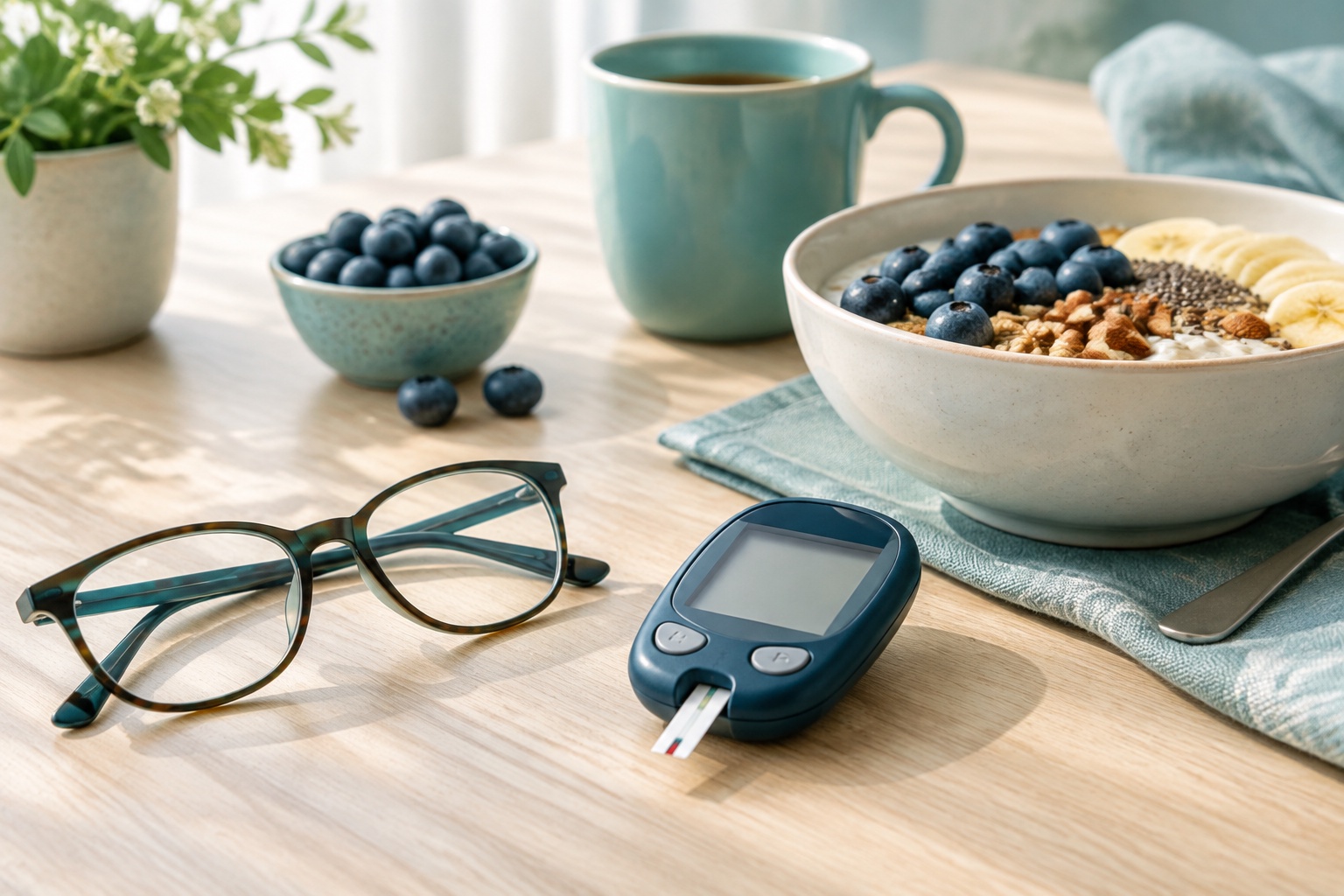
Diabetes affects almost every part of the body, and the eyes are no exception. Diabetic retinopathy is one of the most common complications of diabetes and remains an important cause of sight loss in working-age adults. The encouraging news is that most sight loss from diabetic eye disease can be prevented with regular screening, good control of blood sugar and blood pressure, and timely treatment when changes are found.
This article explains how diabetes damages the retina, the different stages of retinopathy, how screening works in the UK and what treatments are available to protect your vision.
How Does Diabetes Affect the Eyes?
The retina has a rich network of tiny blood vessels that supply it with oxygen and nutrients. Over time, raised blood sugar levels damage the walls of these small vessels. They can become weak, leaky or blocked. When this happens, the retina is starved of oxygen in some areas and swollen with leaked fluid in others.
Diabetic retinopathy usually develops slowly and, crucially, often causes no symptoms in its early stages. Many people with significant changes in their retina still have perfect vision. By the time eyesight is affected, the disease may be advanced, which is why screening is so important.
The Stages of Diabetic Retinopathy
Background retinopathy
In the earliest stage, small bulges called microaneurysms form in the blood vessel walls, and tiny spots of bleeding may appear. Vision is not usually affected. Background retinopathy does not need treatment in itself, but it is a signal that the eyes are being affected and that diabetes control matters.
Pre-proliferative retinopathy
As the disease progresses, more vessels become blocked and larger areas of the retina lose their blood supply. The retina shows signs of distress, such as larger haemorrhages and irregular veins. At this stage, closer monitoring is needed because the risk of progression is higher.
Proliferative retinopathy
When parts of the retina are starved of oxygen, they release signals that encourage new blood vessels to grow. These new vessels are fragile and grow in the wrong places, on the surface of the retina or into the vitreous gel. They can bleed, causing a sudden shower of floaters or a dark haze across vision. Scar tissue can also form and pull on the retina, leading to a tractional retinal detachment. Our article on retinal detachment warning signs and treatment explains this complication.
Diabetic macular oedema
Diabetic macular oedema can occur at any stage. Fluid leaks from damaged vessels into the macula, the central part of the retina used for reading, driving and recognising faces. This causes blurred or distorted central vision and is the most common reason for sight loss in people with diabetes.
Who Is at Risk?
Anyone with type 1 or type 2 diabetes can develop retinopathy. The risk increases with:
- Longer duration of diabetes
- Poorly controlled blood sugar levels
- High blood pressure
- Raised cholesterol
- Pregnancy, which can cause retinopathy to progress more quickly
- Smoking
- Kidney disease
People of all ages are affected, so it is important not to assume that retinopathy only matters later in life.
Diabetic Eye Screening in the UK
The NHS runs a diabetic eye screening programme for people with diabetes aged twelve and over. Screening involves dilating drops followed by digital photographs of the retina. The images are graded by trained specialists who look for early signs of retinopathy.
Depending on your results, you will either be invited back for routine screening, usually every one to two years, or referred for closer monitoring or treatment at a hospital eye clinic. Screening is not a full eye examination, so you should continue to see your optometrist for routine eye tests as well.
Attending every screening appointment is one of the most effective things you can do to protect your sight. The drops can blur your vision for a few hours, so arrange not to drive afterwards.
Symptoms to Watch For
Although early retinopathy is silent, you should seek prompt advice if you notice:
- Gradually worsening or blurred vision
- Sudden new floaters or dark spots
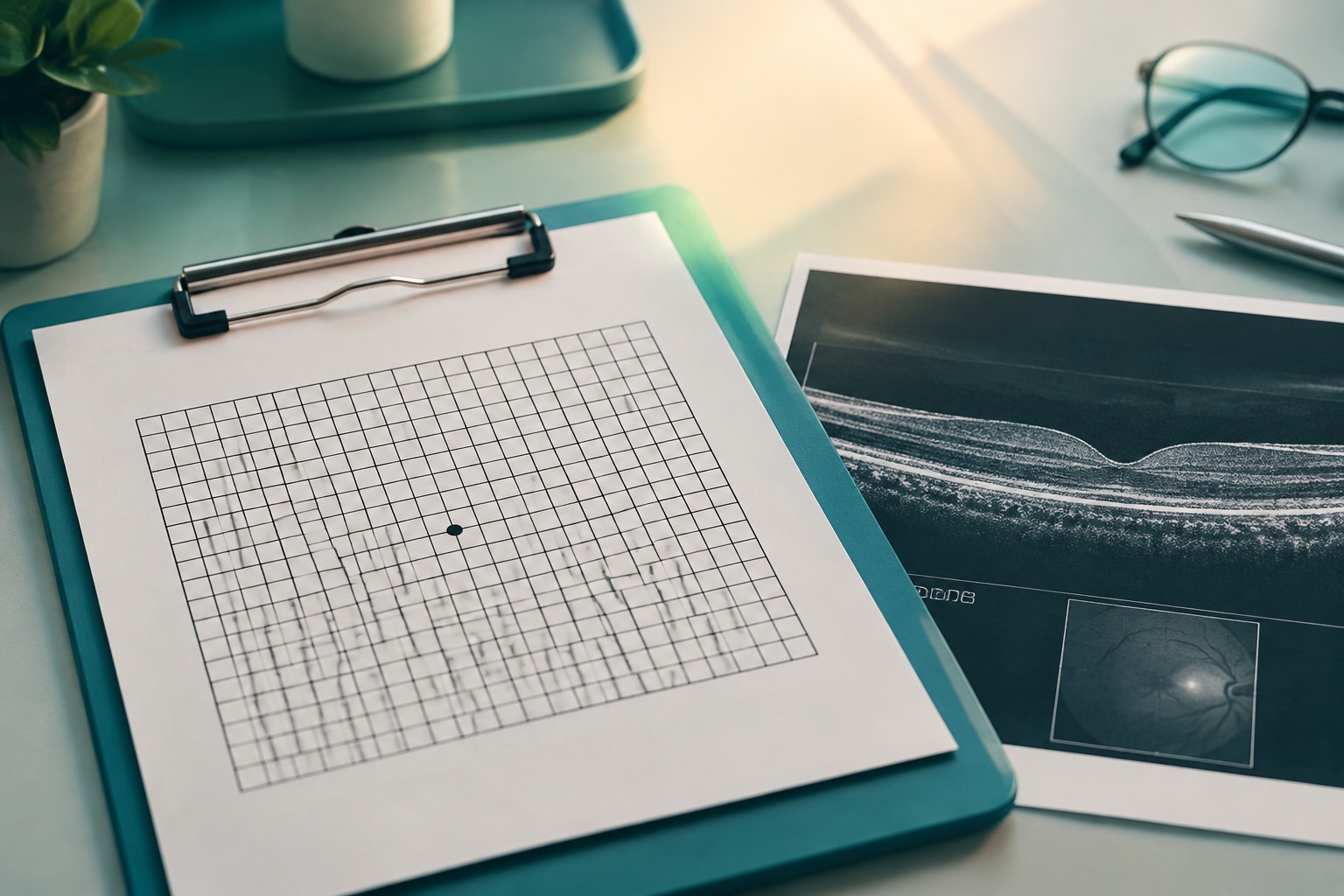
- Distortion, where straight lines look wavy
- Difficulty seeing in low light
- Sudden loss of vision in one eye
Sudden floaters can result from bleeding into the vitreous, but they can also be caused by changes unrelated to diabetes. Our guide to floaters and flashes and when to seek help can help you understand the difference, although only an examination can confirm the cause.
How Is Diabetic Retinopathy Treated?
Treatment depends on the type and severity of retinopathy. Your eye specialist will explain the best approach for your situation.
Anti-VEGF injections
For diabetic macular oedema, the most common treatment is a course of injections into the eye with medicines that block vascular endothelial growth factor (VEGF), a chemical that drives leakage and abnormal vessel growth. The eye is numbed with drops, and the injection itself takes only seconds. Treatment usually starts with regular injections, with the interval gradually extended as the eye responds.
Laser treatment
Laser has been used for decades to treat proliferative retinopathy. Panretinal photocoagulation places many small laser burns across the outer retina, reducing the oxygen demand of the tissue and encouraging abnormal vessels to shrink. It protects central vision, although it can reduce night vision and peripheral vision to some extent.
Steroid treatment
In some cases of macular oedema, particularly where injections have not worked well, a steroid implant placed inside the eye may be considered. Steroids can raise eye pressure and speed up cataract development, so they are used selectively.
Vitrectomy
When bleeding into the vitreous does not clear by itself, or when scar tissue begins pulling the retina away, surgery may be needed. A vitrectomy removes the blood-filled gel and the scar tissue, and laser can be applied during the operation. Our step-by-step guide to vitrectomy surgery describes what happens before, during and after the procedure.
Protecting Your Sight: Practical Steps
There is a great deal you can do to reduce your risk of diabetic eye disease or slow its progression:
- Keep blood sugar levels as stable as possible. Work with your diabetes team on targets that are right for you.
- Control blood pressure. High blood pressure adds stress to retinal blood vessels.
- Manage cholesterol through diet, exercise and medication if prescribed.
- Stop smoking. Smoking damages blood vessels throughout the body, including in the eye.
- Stay active and aim for a balanced diet rich in vegetables, whole grains and lean protein.
- Attend every screening and clinic appointment, even when your vision seems fine.
- Tell your care team if you are planning a pregnancy, as extra eye checks may be needed.
It is worth knowing that a rapid improvement in blood sugar control can occasionally cause a temporary worsening of retinopathy. This is not a reason to avoid better control, but it is a good reason to keep your eye team informed.
Diabetes and Other Eye Conditions
People with diabetes are also more likely to develop cataracts at an earlier age and may have a higher risk of some other eye problems. Changes to the surface of the retina, such as epiretinal membranes, can occur too. If you notice distortion of straight lines, our guide on macular hole and epiretinal membrane care explains what may be happening.
Looking Ahead
Diabetic retinopathy can sound frightening, but the outlook today is far better than it was a generation ago. With regular screening, modern treatments and good overall diabetes care, most people with diabetes keep useful vision throughout their lives. The single most important step is to stay engaged with your care: attend your appointments, act quickly on new symptoms and ask questions whenever something is unclear.
This article is for general information and does not replace a personal consultation. If you notice sudden changes in your vision, contact your optometrist, an eye casualty department or NHS 111 the same day.
Related Articles

Vitrectomy Surgery: A Complete Patient Guide to the Procedure, Recovery and Results
What happens during a vitrectomy, why it is recommended, and how to prepare for a smooth recovery — explained step by step.
Retinal Detachment: Warning Signs, Causes and Treatment Options
Floaters, flashes and a shadow across your vision can signal an emergency. Learn the signs and why fast treatment matters.

Eye Floaters and Flashes: When Should You See an Eye Specialist?
Most floaters are a normal part of ageing — but some changes need same-day attention. Here is how to tell the difference.
Macular Hole and Epiretinal Membrane: Symptoms, Diagnosis and Surgical Treatment
Wavy lines and blurred central vision can point to a macular hole or membrane. Learn how OCT diagnosis and surgery can help.